Ask ten Indian families what they have in their snack tin, and you may get ten different answers. Yet, all of them can be called namkeen. It could be enjoyed with evening chai, during a train journey, or served to guests at festivals. The name remains the same, but the taste, crunch, spices and shapes are different. From fine besan sev and puffed rice to roasted lentils and spicy peanuts, the types of namkeen available in India offer something for every taste.
What Makes Namkeen So Special?
The range comes from a fairly small set of ingredients used in different ways:
- Gram flour (besan): the base for bhujia, sev and gathiya
- Potatoes: add a lighter, slightly sweet crunch, as in aloo bhujia.
- Lentils: moong dal and chana dal give a dense, nutty bite.
- Peanuts: bring richness and a firm crunch
- Flattened rice (poha): turns airy and crisp in chivda
- Spices: black pepper, red chilli, chaat masala, cumin, amchur and curry leaves
Exploring the Different Types of Namkeen
Looking at the different types of namkeen by category makes the variety easier to follow.
Bhujia and Sev
Both are made from besan dough pressed into strands, but they behave very differently.
- Aloo Bhujia: potato is added to the dough, which gives thin, crisp strands and a mild, savoury taste.
- Bikaneri Bhujia: named after Bikaner, it is traditionally associated with moth bean flour. It is known for a spicier, more peppery bite and a slightly coarser texture.
- Plain Sev: thin besan strands with light salt, often used as a topping on chaat and poha as well as a snack.
- Masala Sev: the same idea with a stronger spice coating.
- Ratlami Sev: a thicker, bolder sev from Ratlam, known for its pronounced pepper and clove-style seasoning.
Namkeen Mixtures
A mixture is a combination of textures in every handful. Sev, peanuts, lentils, flattened rice, and sometimes dried fruit or spices come together in different ratios.
- Navratan Mixture: built around a wide assortment of ingredients, so each bite differs.
- Khatta Meetha: balances tangy and sweet notes against the salt.
- Punjabi Tadka: leans on stronger seasoning and a spicier profile.
- Chivda: poha-based and lighter, usually with peanuts and curry leaves.
- All-in-One Mixture: a mix of several snack types in a single pack.
Dal-Based Namkeen
Moong dal and chana dal namkeen start as soaked lentils that are fried or roasted until crisp. Moong dal is lighter and crunches easily. Chana dal is harder and takes more chewing, which many people enjoy with tea. Seasoning ranges from plain salted to chilli-lemon and chaat-style spice blends.
Nut-Based Namkeen
Peanuts are the most familiar example. Salted peanuts are simple and let the nut’s flavour lead. Masala peanuts are coated in a besan and spice batter, which adds a crunchy shell around the nut. Roasted and fried versions feel different too. Roasting gives a drier snack, while frying gives a richer one.
A Taste of India: Regional Namkeen Varieties
Namkeen shows how food habits shift from region to region.
- Rajasthan: Bikaneri bhujia is the best-known example, linked to the city it is named after.
- Madhya Pradesh: Ratlami sev comes from Ratlam and is known for its bold seasoning.
- Gujarat: the farsan tradition covers a wide range of savoury snacks, including gathiya and several kinds of sev.
- Maharashtra: Chivda, usually poha-based, is a staple, especially around festive times.
- Punjab: the name “Punjabi Tadka” is now used for spicier mixtures.
- West Bengal: Chanachur, a spiced mixture, is a familiar tea-time snack.
These examples show that regional preference shapes ingredients, spice levels and texture. Over time, many regional names have become popular Indian namkeen varieties across the country.
How Traditional Indian Namkeen Is Evolving: Exploring Different Types of Namkeen
Traditional Indian namkeen is changing in ways that are easy to see on any shelf:
- New seasonings: flavours like peri-peri, cream and onion, and tangy chaat blends now sit beside classic masala.
- Different formats: thinner strands, puffed shapes, and mixes that combine several textures.
- Packaging: small single-serve packs for travel and larger family packs for gatherings.
- Roasted options: more people look for roasted snacks as an alternative to fried ones.
- Clearer ingredients: shoppers read labels more closely than before.
None of this replaces the classics. A plate of bhujia still turns up at the table next to a newer seasoned snack, and many households keep both.
Why Namkeen Remains a Favourite in Indian Households
Namkeen fits into so many moments that it rarely feels like a decision.
- Tea time: a small bowl of bhujia, mixture or moong dal next to a cup of chai.
- Family gatherings: a big bowl in the middle of the room, passed around between conversations.
- Festivals and guests: it is an easy thing to put out when people drop in.
- Travel: a pack in the bag for a train ride or a road trip.
- All ages: children go for mild, crunchy snacks. Others prefer spicy mixtures or lentil snacks.
Few snacks work for so many people with so little effort, which is a big part of why the category has endured.
Exploring the World of Namkeen with Priniti
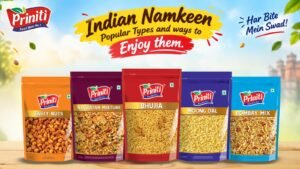
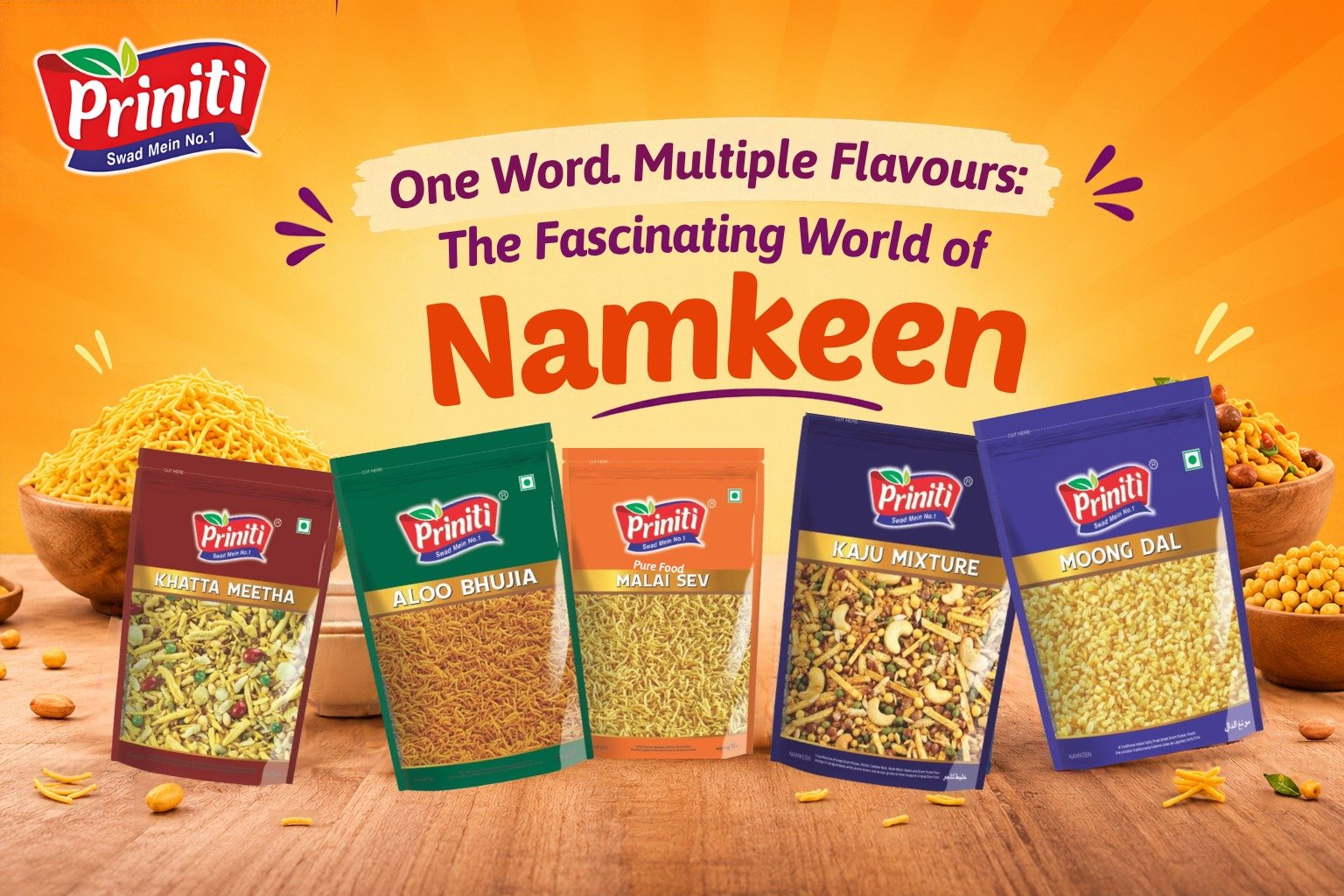
For readers who want to try different styles side by side, Priniti offers a range of namkeen varieties. These include:
- Aloo Bhujia: a potato-and-besan style snack in the thin-strand format.
- Malai Sev: a sev variety for those who prefer that format.
- Navratan Mixture: a combination snack with varied textures in one pack.
- Moong Dal: a lentil-based option for those who prefer a different crunch.
The range also includes other savoury snack varieties. Together, they show how one brand can cover different categories, from strands and mixtures to lentil snacks. You can explore the full range at prinitifoods.com.
Conclusion
Namkeen is a category that keeps rewarding curiosity. The different types of namkeen range from fine bhujia and bold sev to mixtures, lentil snacks, peanuts and regional specialities, each with its own texture and seasoning. Together, they show how a single word can hold hundreds of ways to snack. Next time you reach for a bowl, look closely at what is in it. One word, and a different story in every handful.
Frequently Asked Questions About Types of Namkeen
1. What are the different types of namkeen available in India?
The different types of namkeen include bhujia, sev, mixtures, dal-based snacks, and nut-based snacks. Each differs in ingredients, texture and seasoning, which is why the category feels so varied.
2. Which are the most popular namkeen varieties in India?
Popular namkeen varieties include aloo bhujia, Bikaneri bhujia, Ratlami sev, chivda, navratan mixture, masala peanuts and moong dal. Many of these are found in households across the country, often linked to regional favourites.
3. What are traditional Indian namkeen snacks made from?
Traditional Indian namkeen is made from ingredients like gram flour, potatoes, lentils, peanuts, flattened rice and spices. These are fried or roasted in different ways, which gives each snack its own texture and taste.
4. Which namkeen is commonly enjoyed with tea?
Bhujia, sev, mixtures, and chana dal are common tea-time choices. Many people like the crunch and savoury seasoning with chai. Personal preference decides the choice, from mild to spicy.
5. Are there different types of roasted and fried namkeen?
Yes. Peanuts, poha-based chivda and some dal snacks are available roasted, while sev and bhujia are typically fried. Roasted snacks tend to feel drier and firmer, while fried ones are often lighter and crisper.
6. What types of namkeen does Priniti offer?
Priniti offers varieties including Aloo Bhujia, Malai Sev, Navratan Mixture and Moong Dal, along with other savoury snacks. You can see the full range on the Priniti website.