
Introduction
When it comes to snacks, nothing defines India better than namkeen. Whether it’s your morning tea, office break, or evening family gathering, namkeen is always the perfect companion. With roots in tradition and flavors that span across every region, namkeen is not just a snack—it’s an emotion for millions of Indians.
Over the years, namkeen has evolved from being a homemade delicacy to becoming a billion-dollar FMCG category. Today, modern packaging, innovative flavors, and rising global demand have turned namkeen into one of India’s most loved exports.
In this blog, we’ll explore the most popular namkeen categories, their regional specialties, and the business opportunities this segment offers. We’ll also highlight how trusted brands like Priniti Foods are leading the market with quality, innovation, and a strong B2B focus.
History of Namkeen in India
Namkeen has been a part of Indian households for centuries. Traditional snacks like mathri, chakli, and sev were once made only in homes or small sweet shops. Over time, these snacks moved to large-scale production, making them easily available across the country.
What made namkeen stand out was its affordability, longer shelf life, and wide appeal. This ensured that namkeen wasn’t just consumed during festivals or special occasions but became a daily part of life for millions.
Popular Namkeen Categories in India
1. Bhujia & Sev
- Bhujia: Originating from Rajasthan, this world-famous snack is made from moong dal and besan. Its crispiness and spiced flavor make it a household favorite.
- Ratlam Sev: A specialty from Madhya Pradesh, this sev is thicker, spicier, and has a distinct aroma.
- Aloo Bhujia: Made from potato and gram flour, it’s one of the most versatile and widely consumed namkeens across India.
2. Mixtures
- All-in-One Mixture: A crunchy blend of sev, peanuts, fried lentils, and spices that appeals to every palate.
- South Indian Mixture: Enhanced with curry leaves, roasted dals, and rice flakes, it has a flavor unique to southern India.
- Poha Chiwda: A light, crispy snack from Maharashtra made with flattened rice, peanuts, and mild spices.
3. Dal & Pulse-Based Namkeen
- Moong Dal Namkeen: Crunchy, protein-rich, and lightly salted—this is a timeless snack that never goes out of demand.
- Chana Dal Namkeen: A perfect tea-time partner, this snack combines spice and crunch in every bite.
4. Regional Specialties
- Gujarat – Gathiya, Fafda, Khakhra Namkeen
- Maharashtra – Chiwda, Farsan
- South India – Murukku, Kara Boondi Mixture
- West Bengal – Chanachur
- Uttar Pradesh / Bihar – Matar Namkeen, Aloo Bhujia variations
- Rajasthan –Bhujia, Moong Dal Namkeen
Regional Namkeen Specialties Across India
India’s cultural diversity is perfectly reflected in its namkeen. Every region has something unique to offer:
- Rajasthan: Famous for Bhujia and crunchy Moong Dal Namkeen.
- Madhya Pradesh: Known for the fiery Ratlami Sev.
- Gujarat: Home to the versatile Gathiya and Fafda.
- Maharashtra: Popular for Poha Chiwda and Farsan.
- South India: Recognized for Murukku, Mixture, and Kara Sev.
- Bihar/UP: Loved for Matar Namkeen and Aloo Bhujia.
- West Bengal: The birthplace of Chanachur, a spicy and tangy mix.
These regional specialties have now moved beyond state boundaries and are enjoyed nationwide.
Why Namkeen is Evergreen
- Affordable for Everyone – Available in all price ranges, from ₹5 packs to premium jars.
- Long Shelf Life – Easy to store and transport, making it perfect for retail and exports.
- Versatility – A suitable snack for tea-time, travel, parties, and office breaks.
- Regional Connection – Each state has its own signature variety, creating strong emotional bonding.
- Innovation Friendly – Flavors like peri-peri, tangy tomato, and cheese masala are attracting younger generations.
The Growing Namkeen Market (B2B Perspective)
The Indian namkeen market is expanding rapidly, not just domestically but also internationally. Global snack lovers and overseas Indian communities have fueled its demand in markets like the Middle East, Europe, and North America.
- Export Potential: With long shelf life and compact packaging, namkeen is ideal for export.
- Distribution Opportunity: Wholesalers and retailers see consistent demand, ensuring steady sales.
- Private Labeling: Many FMCG players are innovating with new packaging and flavors to meet market trends.
- High Margins: The affordability of raw materials and strong consumer demand make namkeen a profitable business for distributors.
Priniti Foods – Setting a Benchmark in Namkeen
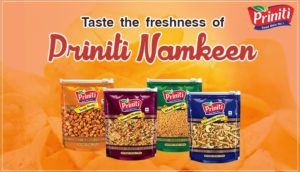
Among the leading FMCG brands, Priniti Foods Pvt. Ltd. has established itself as a trusted name in the namkeen industry. With a wide product portfolio, modern infrastructure, and strong distribution networks, the company has redefined quality standards in this segment.
- Diverse Range: From Bhujia and Sev to Mixtures, Dal Namkeen, and regional specialties.
- Innovation-Driven: Constantly introducing new flavors and consumer-friendly packaging.
- B2B Growth: Offering attractive margins and opportunities for distributors and wholesalers.
- Export Strength: Successfully catering to global markets with international-grade quality and packaging.
Priniti Foods has managed to keep the authentic taste of Indian namkeen alive while adapting to modern consumer preferences and international standards.
Contact Us Today: https://www.prinitifoods.com/contact-us.php
Conclusion
Namkeen is more than just a snack—it’s a reflection of India’s food heritage and diversity. From Ratlami Sev to Bhujia, from Chiwda to Chanachur, each variety carries its own identity and loyal fan base. The market continues to grow every year, driven by innovation, consumer demand, and global acceptance.
With trusted manufacturers like Priniti Foods, the future of namkeen looks even brighter. By combining traditional recipes with modern packaging and global distribution, they are making sure that the flavors of India travel across the world.
Namkeen will always remain India’s favorite comfort snack—and with the growing demand, it’s also becoming a global phenomenon.
FAQs
1. Which namkeen is the most popular in India?
Some of the most popular namkeens in India include Bhujia, Ratlami Sev, Aloo Bhujia, Moong Dal Namkeen, and regional mixtures like Chiwda and Chanachur. These are loved for their authentic taste and crunchy texture.
2. Why is namkeen a good business opportunity?
Namkeen has a huge consumer base across India and abroad. With low production costs, long shelf life, and high demand, it offers excellent margins for wholesalers, distributors, and exporters.
3. How is Priniti Foods different from other namkeen brands?
Priniti Foods combines traditional recipes with modern packaging and international standards. The brand offers a wide variety of namkeen, ensuring consistent quality, strong distribution, and innovation in flavors to meet changing consumer preferences.
4. Is namkeen in demand globally?
Yes, Indian namkeen is in high demand in markets like the Middle East, Europe, and North America. Its authentic taste, cultural connection, and longer shelf life make it a top choice for export.


Thanks a lot for giving everyone an extremely remarkable chance to discover important secrets from this website. It is always very excellent and as well , stuffed with a great time for me and my office friends to visit your web site on the least three times in 7 days to study the fresh secrets you have got. Of course, I’m also usually fascinated with all the excellent techniques you give. Some two tips in this posting are absolutely the most efficient I have ever had.
I believe this web site holds some really wonderful info for everyone : D.